Feeling Our Way: Knobs, Kneelers and the Body at Prayer
Where have all the knobs gone?
The clocks have gone back and the heating is coming on, along with the annual ritual of remembering how it works. Once that meant turning a dial until it clicked. Now it often means finding your phone, opening an app and tapping a screen.
The same sort of thing has been creeping up on us in other areas of modern life. Car dashboards that used to be awash with switches have become slabs of glass, and ovens, washing machines and even light switches are moving over towards touch panels and apps.
Some of this is genuinely good: for someone with limited mobility, adjusting the heating from a chair is genuinely handy. But a government-commissioned usability study found smarter heating controls caused more problems for older people and those with dexterity or vision impairments. Progress for some can mean being shut out for others.
So is the steady replacement of the physical with the digital always a good thing, or are we losing something that matters?
The joy of the click
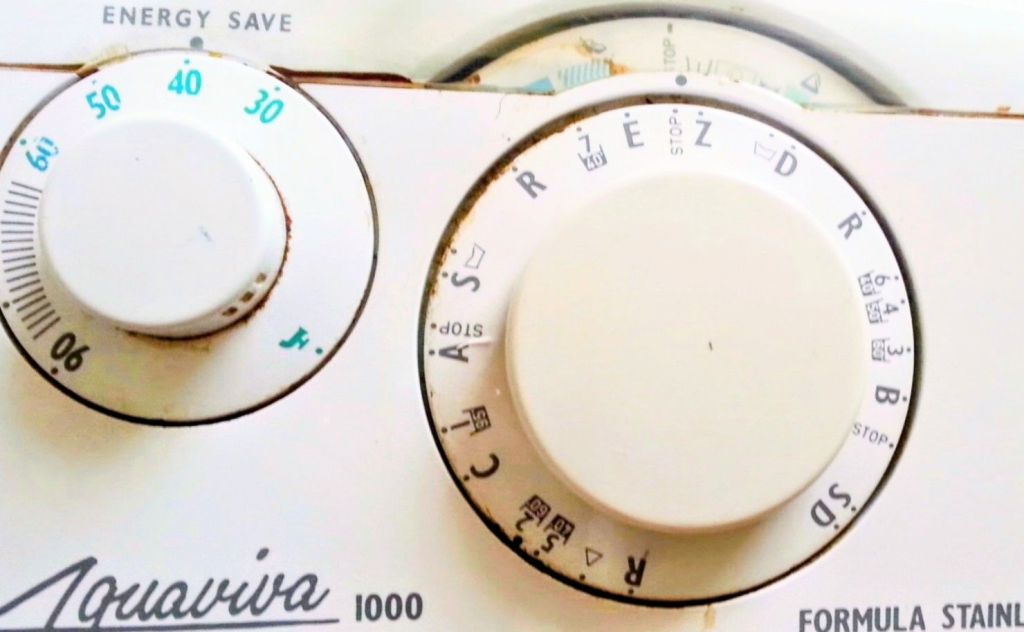
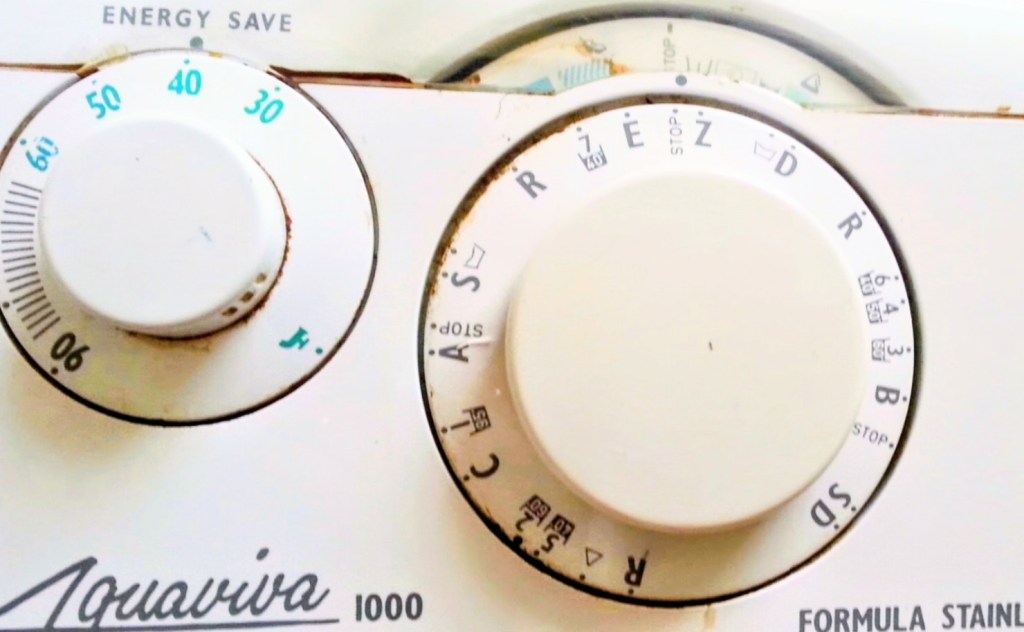
There is a particular pleasure in a good, physical, kinaesthetically interactive control: the clunk of a light switch, the twizzling of a volume knob, a dial settling into place. Give a toddler anything with a load of buttons on it and they will press every single one of them and most of us never quite grow out of it (or is that just me?).
This isn’t mere nostalgia talking. A physical control talks back, telling our fingers that something has happened before our eyes have checked. We can find it in the dark, the way an organist finds the pedals without glancing down.
Rachel Plotnick, a historian of the button (yes, that’s a thing!), told IEEE Spectrum that people hunger for physical buttons because they can be found by feel and offer a richness of feedback glass cannot. A screen is the same smooth surface whatever it is doing, so everything has to be looked at.
Eyes on the road
In the car, this becomes a matter of safety. A knob can be found by feel while your eyes stay on the road; a touchscreen menu can’t. So why are manufacturers moving in this direction?
In a TRL simulator study for the road safety charity IAM RoadSmart, drivers using Apple CarPlay and Android Auto by touch slowed their reaction times by more than 50 per cent, worse than texting or driving under the influence of cannabis. Some looked away for up to 16 seconds, more than 500 metres at 70mph. Neil Greig of IAM RoadSmart put it plainly: “Anything that distracts a driver’s eyes or mind from the road is bad news for road safety.”
Drivers agree. A What Car? survey found nearly 90 per cent of UK motorists prefer physical buttons, and this spring a Quotezone survey found almost half think that touchscreens are more distracting.
Since January, Euro NCAP, whose star ratings cover cars sold in the UK, has marked down cars without physical controls for indicators, hazard lights, wipers, horn and SOS. As its director of strategic development, Matthew Avery, put it: “The overuse of touchscreens is an industry-wide problem.” Sometimes the old way of doing things was better.
Faith you can hold
If our hands help us drive and live well, it should be no surprise that they help us pray. Christianity has always been a faith of touchable things: water poured, bread broken, wine shared, oil on the forehead, the laying on of hands. The first Christians spoke of “what we have looked at and touched with our hands, concerning the word of life” (1 John 1:1). Thomas, doubting, was invited to reach out his hand and touch (John 20:27).
That tradition continues in ordinary ways. A holding cross, smoothed to fit the palm, can steady someone in a hospital bed when words have run out. Rosaries let the fingers keep count so the mind can rest, and keep praying when it wanders. A printed order of service can be followed at your own pace and taken home, and a well-used prayer book becomes a companion.
This isn’t a call to ban screens from church life: projected words can help some people in worship, apps are handy for our staff acts of Morning Prayer, and livestreams keep the housebound connected. But we should notice what we lose when everything we pray with is made of glass.
Praying with the whole body
It is not only what we hold. It is how we move. In a single service we stand to sing and to hear the Gospel, sit to listen, kneel to confess, bow at the name of Jesus or towards the altar, walk in procession, and come forward with open hands to receive. “O come, let us worship and bow down, let us kneel before the Lord, our Maker!” (Psalm 95:6).
These movements are not decoration. Like a knob found without looking, they become part of us and carry our prayer when our thoughts wander. Kneeling speaks of penitence, standing for the Gospel says this matters, and walking to the altar rail turns receiving into a journey. Paul urged the Romans to present their bodies as a living sacrifice, calling this their spiritual worship (Romans 12:1).
Not everyone can stand or kneel, and no one is less a part of worship for that. A bowed head or simply being present is every bit as much an offering; what matters is that worship involves all of who we are.
Fearfully and wonderfully made
We are not minds that happen to be stuck in bodies. As the psalmist says, we are “fearfully and wonderfully made” (Psalm 139:14), creatures of dust and breath who know the world by touching it. The heart of the Christian faith is that God took this seriously: “the Word became flesh and lived among us” (John 1:14). God didn’t send an app, or a disembodied information dump. God came with hands that could be held and feet that walked the roads of Galilee, and the Way of the Cross.
Touchscreens and apps will be part of our lives for the foreseeable, and they’re not inherently bad, but a return of the button, the switch and the knob in our cars and other aspects of daily life would be worth celebrating. When we strip away the physical, the knobs, switches, books, beads and kneelers, we do not simply make things tidier. We make them a little less human.
So this week, perhaps, pick up a prayer book rather than the phone. Hold a cross in your pocket. Kneel, if you can, and feel the floor beneath you. Our bodies were made for this, and God meets us there.


Leave a Reply