Read the Gospels and one thing which keeps coming up is Jesus going where he isn’t expected to go. He keeps turning up among the disreputable, the marginalised, and the unloved, folk who, in the eyes of their culture, quite clearly were not the “blessed”. In fact, many of them would have been thought of as cursed by God.
He sits with a Samaritan woman at a well, at midday, when no respectable person would be there. He deals with a Roman centurion, an officer of the occupying army. He meets people tormented by unclean spirits, pushed to the very edges of society. The man possessed by Legion demons lives among the tombs with pigs nearby, right the geographical edge of things about as far from Temple worship and polite society as it was possible to be. And that is exactly where Jesus goes.
Jesus’ challenge to all this is unpacked in the Beatitudes: “Blessed are the poor in spirit, for theirs is the kingdom of heaven” (Matthew 5:3). The meek, those who mourn, the poor, the humble: these are the ones who are blessed in God’s sight. Yet these were precisely the people everybody assumed were beyond God’s blessing. And if God was shunning them, the logic ran, then society should shun them too. Jesus turns that upside down completely, because God was not shunning them at all – far from it. He sent his Son to seek those whom society had lost. Jesus doesn’t just say this: he goes out of his way to find people who are beyond the pale, who are not on anyone’s list of the redeemed or righteous, to heal, affirm and include them, time and time again.
We have to be careful with the healing miracles, though, as it is easy to slip into a condescending way of reading them. Disabled people can too easily become mere recipients of our charity and prayers, if we get this wrong. We need a deeper understanding because Jesus himself meets people in a far more holistic way. In his society, disability was taken as a sign of not being blessed, and it shut people out. When the disciples see the man born blind, their instinct is to question whose sin caused it (John 9:2). Jesus refuses the question. The spirit of the Beatitudes has to shape how we read the healings too. If we bring an ableist frame of mind, we miss the full grace in what Jesus is doing.
So yes, we do pray for healing, as we bring those in need (whether in body, mind or spirit) to God in prayer. But look at what happens to the man born blind, or the paralysed man lowered through the roof. They are restored, not merely in body, but more importantly, they are brought back into the worshipping community that had excluded them They are restored to dignity. And this restorative healing points to inner healing: restoration to fellowship with God and God’s people. It was not the disability which impaired the former, just the latter. And that is something we are called to do something about.
Indeed, that is our calling with disabled people in our church communities. They are not among us as mere recipients of our charity and empathy, simply to be “ministered unto”. They stand alongside us as equal partners in the work of the gospel, fellow-inheritors of the Kingdom of God. Able-bodied people like me need to avoid and repent of seeing ourselves as the bountiful bestowers of Christ’s presence, and realise that Christ is already present among all people, disabled people included. Blessed are the “disableds” for they kick us “ableds” up the backside to make us look at the broken body of Christ on the cross afresh, to see Christ with us amid our own brokenness, and challenge us with the truth that it is the broken bread and outpoured wine which keeps us in eternal life.
The same theology of inclusion applies to anyone who might fear exclusion from Christian worship and fellowship in our churches. LGBTQIA+ people; people of Global Majority Heritage; folk from different educational and social backgrounds, who might fear setting foot in a church, assuming (perhaps having good reason from past experience) that they won’t be welcome.
Several times in my ministry, I have welcomed gay people into church fellowship who had been excluded in the past, or who simply assumed they wouldn’t be welcome. That assumption is itself telling: people expect a closed door because they have found one before. A bride-to-be’s sister got in touch before a wedding once to ask whether she and her wife would be allowed to attend the service. They had previously been turned away by clergy from a family baptism at another church. I apologised that they had ever had that experience from any church, then made it as clear as I could that they were welcome, that they were loved by me and the church community I represented, and that they were beloved of God. It should never have needed saying, but because it did, it needed saying clearly.
We often give off signals of exclusion without realising it. And we shouldn’t put the onus on people to talk their way in. Nor should we keep asking, “How are we excluding you?” in a way which puts them on the spot, as if it were their problem to solve.
What’s needed is a grown-up conversation where we take responsibility and ask, honestly, “How can we do better?” and be ready to say sorry, repent, and build a more inclusive culture together.
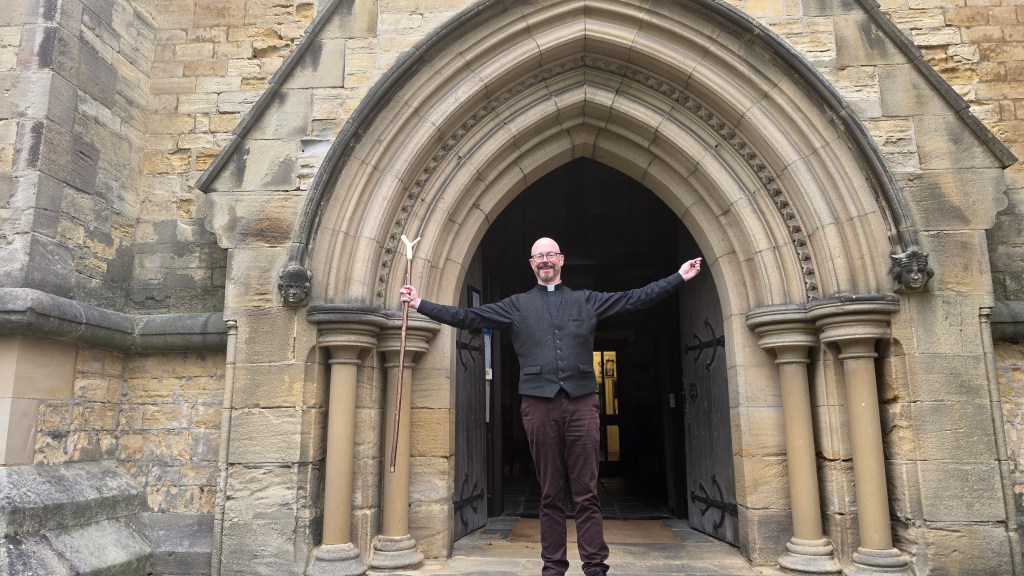
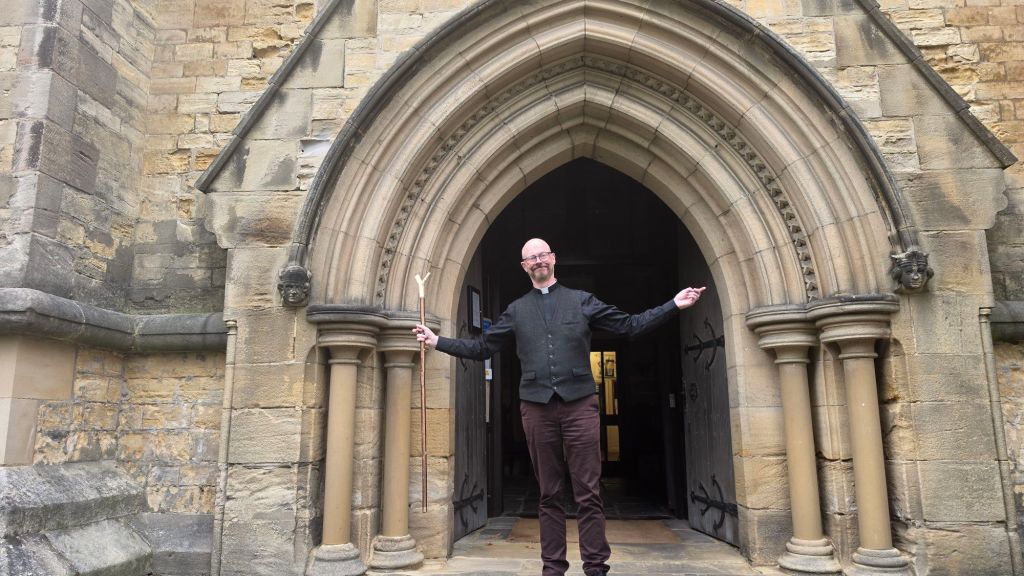
At St Mary’s, Boston Spa, we assumed we were a welcoming church. We thought we’d got a lot right – and we had – but we suspected we weren’t getting things as right as we thought. So we ran an anonymous survey. People could tell us about the barriers they faced to taking part in the fullness of church life, and to using our facilities. That also involved people beyond our worshipping congregations because the building serves the whole village and our wider community hire our community room, too . Here is some of what we found:
• Toilets. Not accessible for wheelchair users, and not easy for people with visual impairments either. Door frames were hard to see, and the layout of the lobby wasn’t clear.
• Trip hazards. More than we’d realised. Our safety walk-rounds had been done by able-bodied people, who walked straight past them.
• Printed materials. Booklets needed more white space on each page and large print versions to be available to be easier to navigate for people with particular visual needs.
• Sound. We retuned the system to favour the higher frequencies of sibilants and consonants, so the spoken word is easier to make out. We bought better speakers and microphones, and trained people to use the microphones well.
• Rotas. We looked again at who was on them and who wasn’t. We had made assumptions that some people wouldn’t want certain roles, and so had never asked them.
Most of these things were easy to put right. They were hard to see because we weren’t looking.
That’s the lesson: to look at the life of our churches with fresh eyes. We need to be ready to hear things we don’t want to hear about our welcome, and we need to change how we behave and how we organise ourselves, before we start on the building.
We’re now in the middle of an ongoing inclusion and accessibility project. Some of it is already in place. We have powered doors that can be operated from wheelchair height, level access, and places in church where someone in a wheelchair can sit and see. Some of our volunteers have awareness of dementia, deafness, neurodiversity and other needs.
The toilets are next, and they will cost around £42,000 to make fit for purpose. It’s a lot of money, but we have to do it. Nobody should turn up at our church and find they can’t use the loo. Given how much we already get right, people would reasonably expect that we sort this out too. The physical work is expensive, but it is a tangible sign of the wider journey we have been on in so many other, less visible ways.
In all of this we are trying to do what Jesus did. We go out to where people already are. When Jesus sent out the seventy, he told them to say first, “Peace to this house!”, and to look for those who receive and share that peace (Luke 10:5–6). So we go out like the 70 to meet people as potential people of peace. We say, “Peace be with you,” before we say anything else, and we mean it. And when they respond in peace, we can fully invite them in, not just as recipients of the love of Christ we seek to share, but also as companions in the peace of Christ we already share. We discover that Jesus has gone ahead of us and is alresdy at work in their lives. And we meet them as fellow travellers on the Way of Jesus, as fellow leaders in ministry, as our brothers and sisters in Christ.
Amen.


Leave a Reply